Music Through Your Cheekbones: How Bone-Conduction Headphones Work and Why They Sound Different
本文由「Music Through Your Cheekbones: How Bone-Conduction Headphones Work and Why They Sound Different」的公开内容整理,完整内容与后续更新请点击文末链接阅读原文。
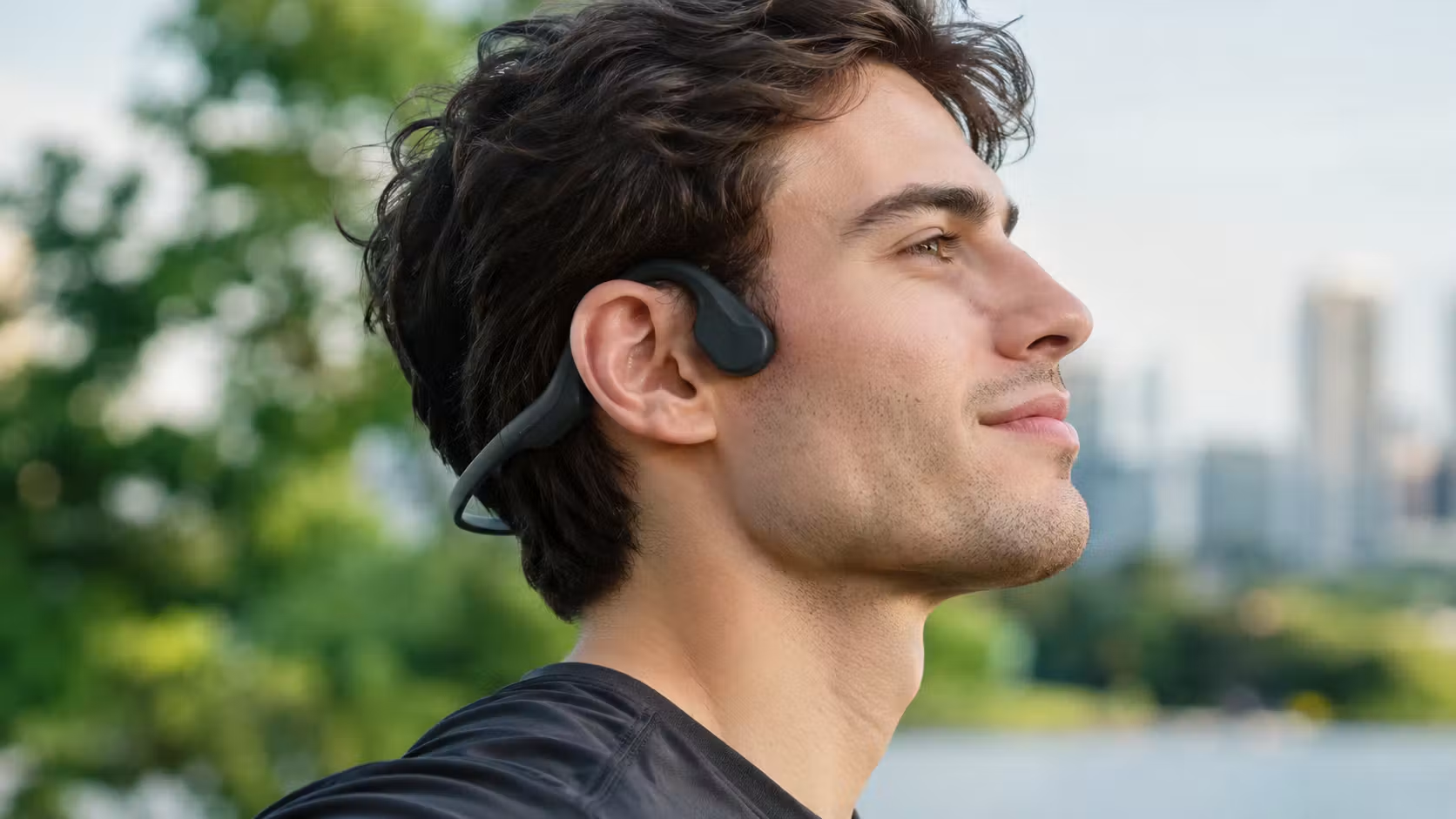
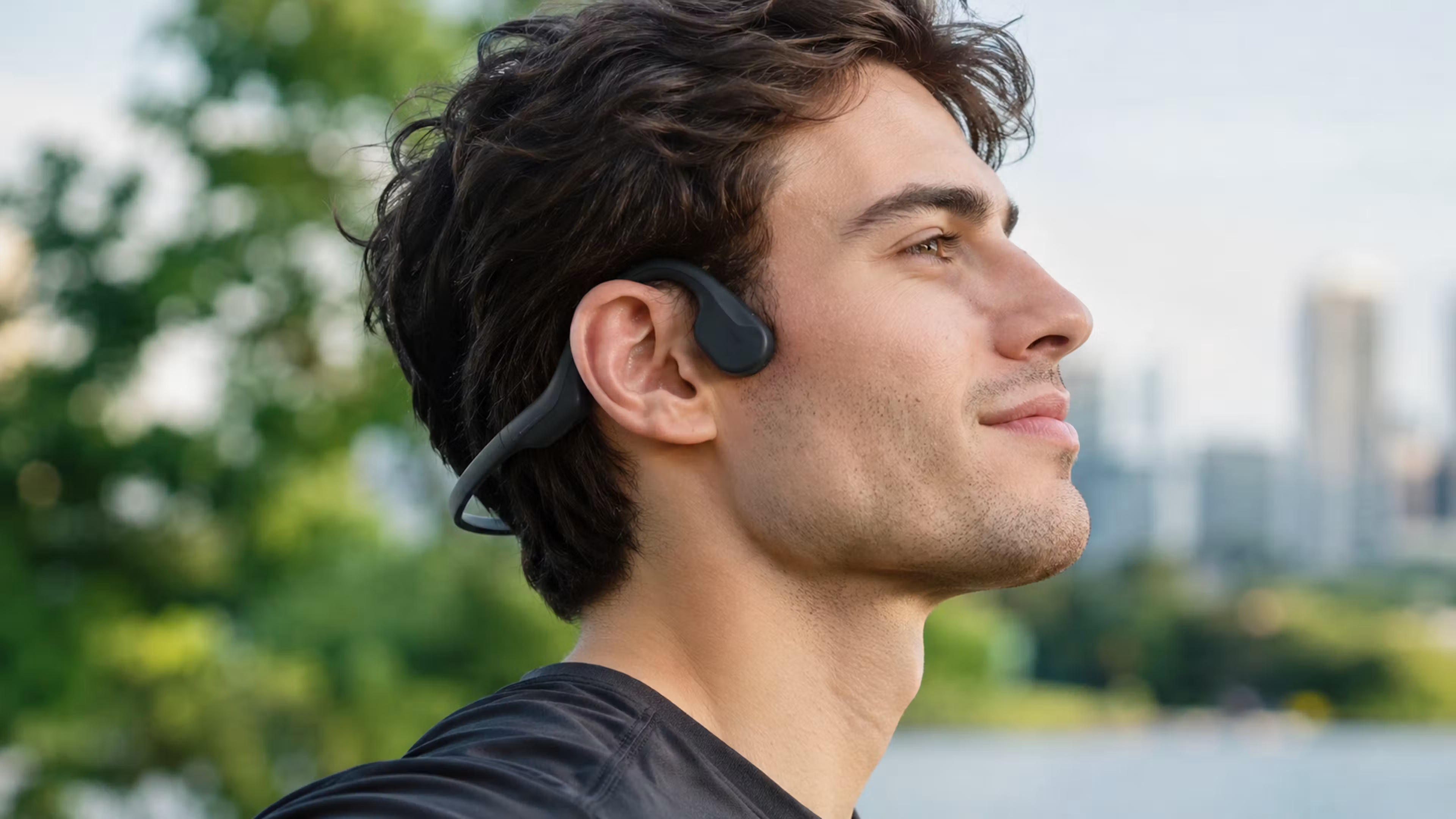
New StoryMusic Through Your Cheekbones: How Bone-Conduction Headphones Work and Why They Sound DifferentbyReetain RainabyReetain Raina|@reetainrainaTechnology Writer at WearableXPReetain Raina, a Technical Writer specializing in wearable technology, AI, smart glasses and future consumer tech.November 2nd, 2026TLDR Your browser does not support the audio element.Speed1xVoiceDr. One Ms. Hacker byReetain Raina@reetainrainabyReetain Raina|@reetainrainaTechnology Writer at WearableXPReetain Raina, a Technical Writer specializing in wearable technology, AI, smart glasses and future consumer tech.Story's CredibilitybyReetain Raina|@reetainrainaTechnology Writer at WearableXPReetain Raina, a Technical Writer specializing in wearable technology, AI, smart glasses and future consumer tech.Story's CredibilityMost headphones function in a very simple manner: sound waves created by the headphones propagate through the air into the ear canal and into the inner ear. However, there are some headphones that have a non-traditional approach to producing sound for listening to music. These headphones can deliver sounds through vibrations to the head bones and tissues, thus enabling users to listen to music without inserting earbuds into the ear canals or using bulky headphones that cover them completely. Such headphones are called bone-conduction headphones, as they produce vibrations in addition to the conventional sounds created by speakers. It may appear strange, but the science behind this process is fairly simple. In fact, there is always some kind of bone conduction when a person speaks and hears his own voice. Vibrations generated by the act of speaking pass not only through the air but through the body, which explains why the voice that is recorded differs from the voice we hear when speaking. In addition, transmission of sounds via the head affects how music is being played. In order to explain why this happens, it is necessary to learn more about how these headphones function and how sound vibration turns into music.First, Understand How Traditional Headphones Deliver SoundBefore diving into the mechanics of bone conduction, it helps to establish exactly how normal headphones work. Understanding this baseline makes the technical jump to bone conduction much easier to follow.The Journey of Sound Through Your EarsHeadphones are designed based on the principle of air conduction and transmit sound into the inner ear in the following way. First, sound waves are produced from the headphones as a result of a diaphragm's rapid vibration. These waves move through the air inside the ear canal and eventually encounter the eardrum that starts vibrating. Then, three small bones in the middle ear, called malleus, incus and stapes, amplify the vibrations and pass them on to the cochlea. It is an incredibly small organ located in the inner ear, which has the shape of a snail and contains fluid. Moreover, it consists of a basilar membrane, which separates the liquid inside the cochlea. As the waves move through the liquid, the sensory hair cells convert mechanical energy to the electrical one. Finally, the signals reach the brain through the auditory nerve, which interprets them as sound. However, the eardrum is not the only place for vibrations to get to the cochlea.How Bone-Conduction Headphones Actually WorkWhereas miniature speakers have been traditionally used, modern consumer bone-conduction headphones make use of transducers that are electromechanical. This is because the main function of these transducers is to convert electrical audio signals to mechanical vibration. This is different from normal headphones since the transducer does not go inside or on the ears. They usually come into contact with the skin around the ear region.From Electrical Signals to Mechanical VibrationsHearing using a bone conduction device is quite distinct from the one used by earbuds. Once the audio signal sent from the computer to the headphones has been received, it



本文基于 Hacker Noon 的公开内容,由 AI 辅助整理改写后发布。
原标题:Music Through Your Cheekbones: How Bone-Conduction Headphones Work and Why They Sound Different
阅读原文