Measuring how AI agents handle everyday wet-lab science
本文由「Measuring how AI agents handle everyday wet-lab science」的公开内容整理,完整内容与后续更新请点击文末链接阅读原文。
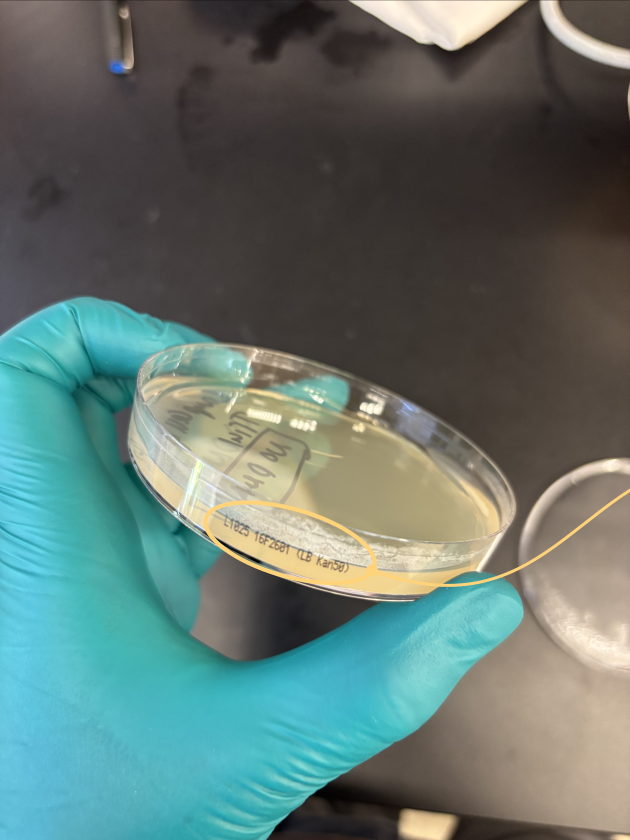
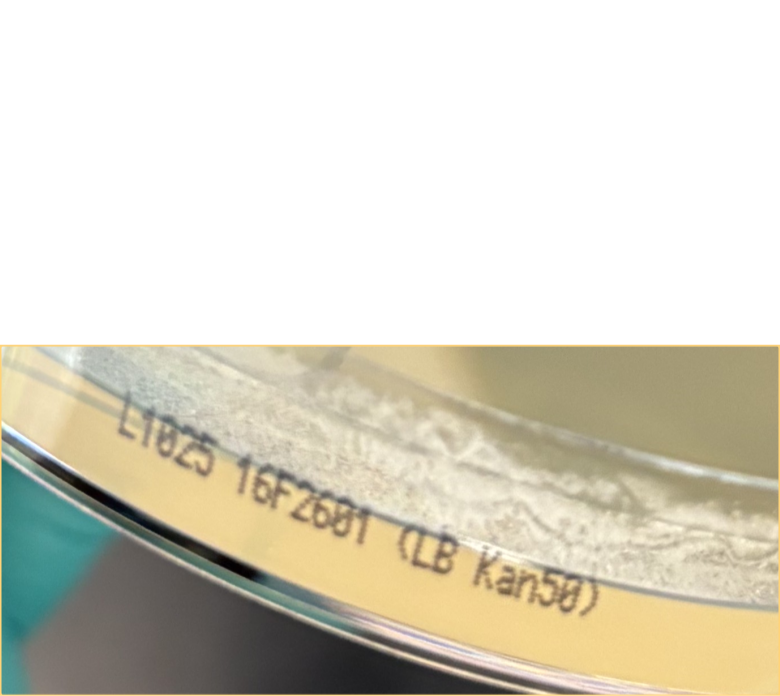
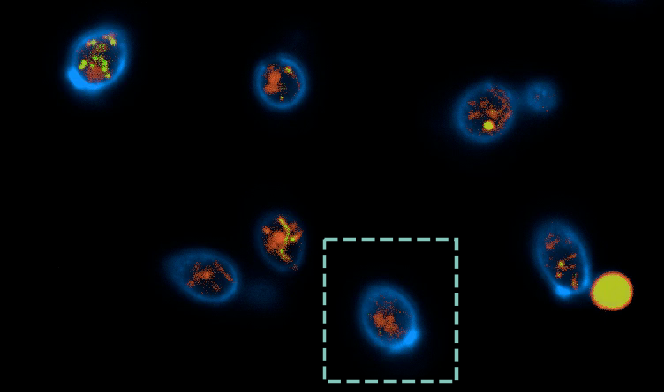
BioBasicsBenchBioBasicsBenchNovember 6, 2026PublicationMeasuring how AI agents handle everyday wet-lab scienceIntroducing BioBasicsBench, a benchmark measuring how well AI agents interpret raw experimental data across 100 routine wet-lab tasks.Loading…Our mission is to ensure that artificial general intelligence benefits all of humanity. As part of that mission, we want to help scientists accelerate biological research—from understanding disease to developing new treatments. For AI agents to contribute, they need to reliably interpret the experimental evidence scientists work with every day in wet labs, where they run experiments with biological samples. Everyday wet-lab work involves failed experiments, ambiguous images and conflicting observations. Existing benchmarks are built around charts and images selected for scientific papers may miss this ambiguity and the troubleshooting it requires. That’s why we’re introducing BioBasicsBench, a new benchmark developed with Ligo, a biotech company focused on enzyme design, to measure how well agents handle routine wet-lab analysis.The benchmark’s 100 tasks test whether agents can interpret raw experimental data, identify errors, and recognize when the evidence cannot support a conclusion. Getting these tasks right matters because misreading an image or overlooking a problem with the controls used to check an experiment’s results can lead scientists to draw the wrong conclusion and spend time on experiments that won’t help answer their question.At the ‘xhigh’ setting, which allows more reasoning per task, GPT‑6 Astra earned an average of 66.7% of the available credit, compared with 43.8% for GPT‑5.6 Sol. The results show progress on routine lab analysis, with room for further improvements in interpreting images, checking controls and applying experimental context.Inside BioBasicsBenchBioBasicsBench uses raw experimental evidence, from gel images and colony plates to microscopy and instrument readouts.BioBasicsBench has 100 tasks across five areas of routine wet-lab work: protein methods, imaging and cytometry, quantification and assays, nucleic acid methods, and molecular cloning. Tasks range from simple requests, such as reading the molecular weight of a DNA sample in a gel, to detailed assay analysis, but all involve routine work that wet-lab scientists should be able to complete reliably.Scientists created the tasks using data from their own experiments, pairing each question with expert-written grading criteria. Each task underwent an internal review by a Ligo scientist who had not written it, an external review by a PhD-level scientist working in a wet lab, and a final internal review.Agents return a structured answer with the requested conclusion, measurement or recommendation and, where required, supporting reasoning. Answers receive credit against individual rubric criteria, allowing the benchmark to distinguish a correct conclusion from a partially correct analysis. Most tasks test several skills together, including biological knowledge, interpretation of images and other data, error detection and protocol understanding.“Unique tasks” counts each task once. The skill columns count tasks with each skill tag. These categories overlap: one task can appear in several columns, so the skill counts should not be added to obtain a task total. Color identifies the domain;
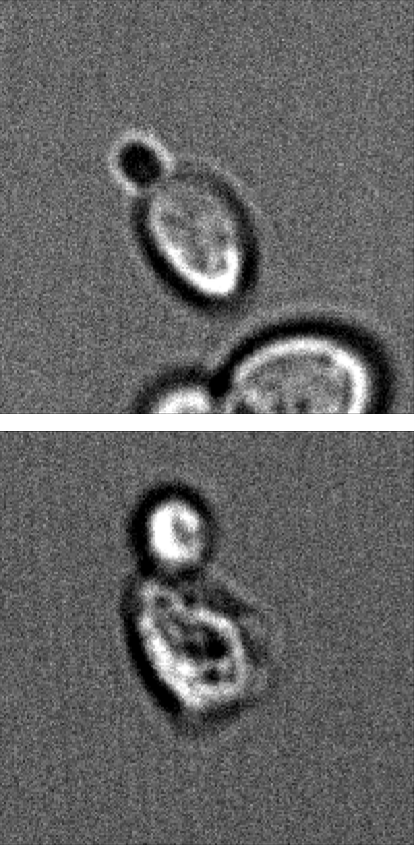
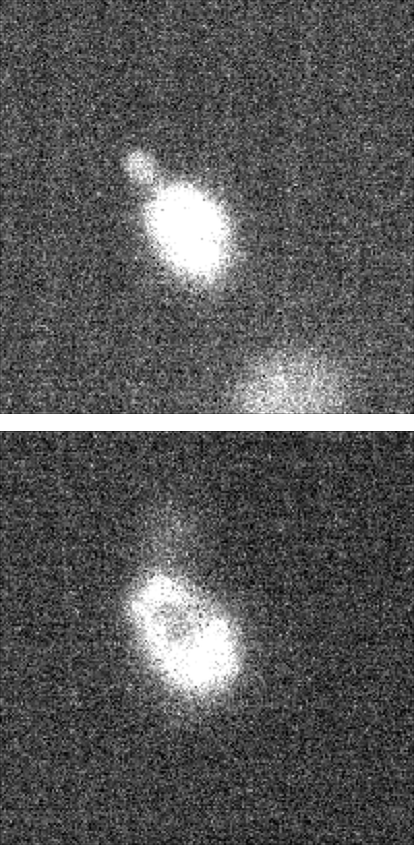
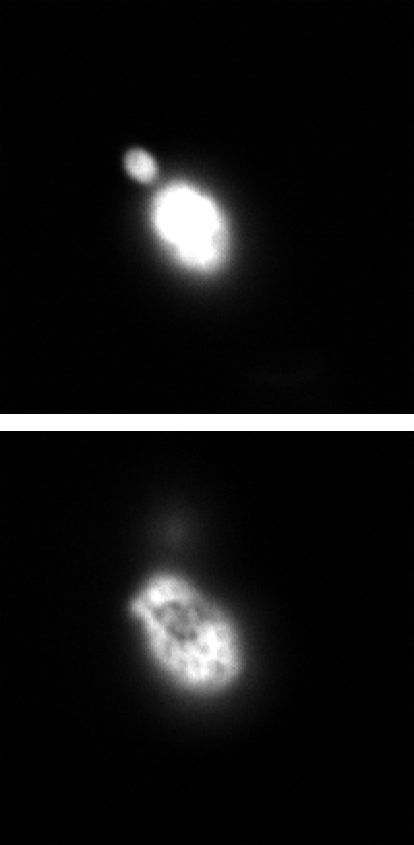
stronger shading indicates a larger share of that domain’s tasks testing a skill.The inputs preserve the forms of evidence scientists work with: gel and blot images, plate photographs, microscopy stacks, sequencing reads, plate-reader exports and videos of bench work. A task can include several kinds of data. Reference sheets, such as ladder charts and plasmid maps, support the interpretation of the experimental evidence.What the agent is givenKind of dataTasksWhat it includesGels & blots31Agarose DNA gels, SDS-PAGE gels, Western blotsProtocols, notes & specs27Protocols and SOPs, lab notebooks and run records, phot
本文基于 OpenAI Blog 的公开内容,由 AI 辅助整理改写后发布。
原标题:Measuring how AI agents handle everyday wet-lab science
阅读原文